A leading trader with Kalshi has voiced his concern around Spotify-focused Kalshi markets, which he allege are being manipulated by bots.
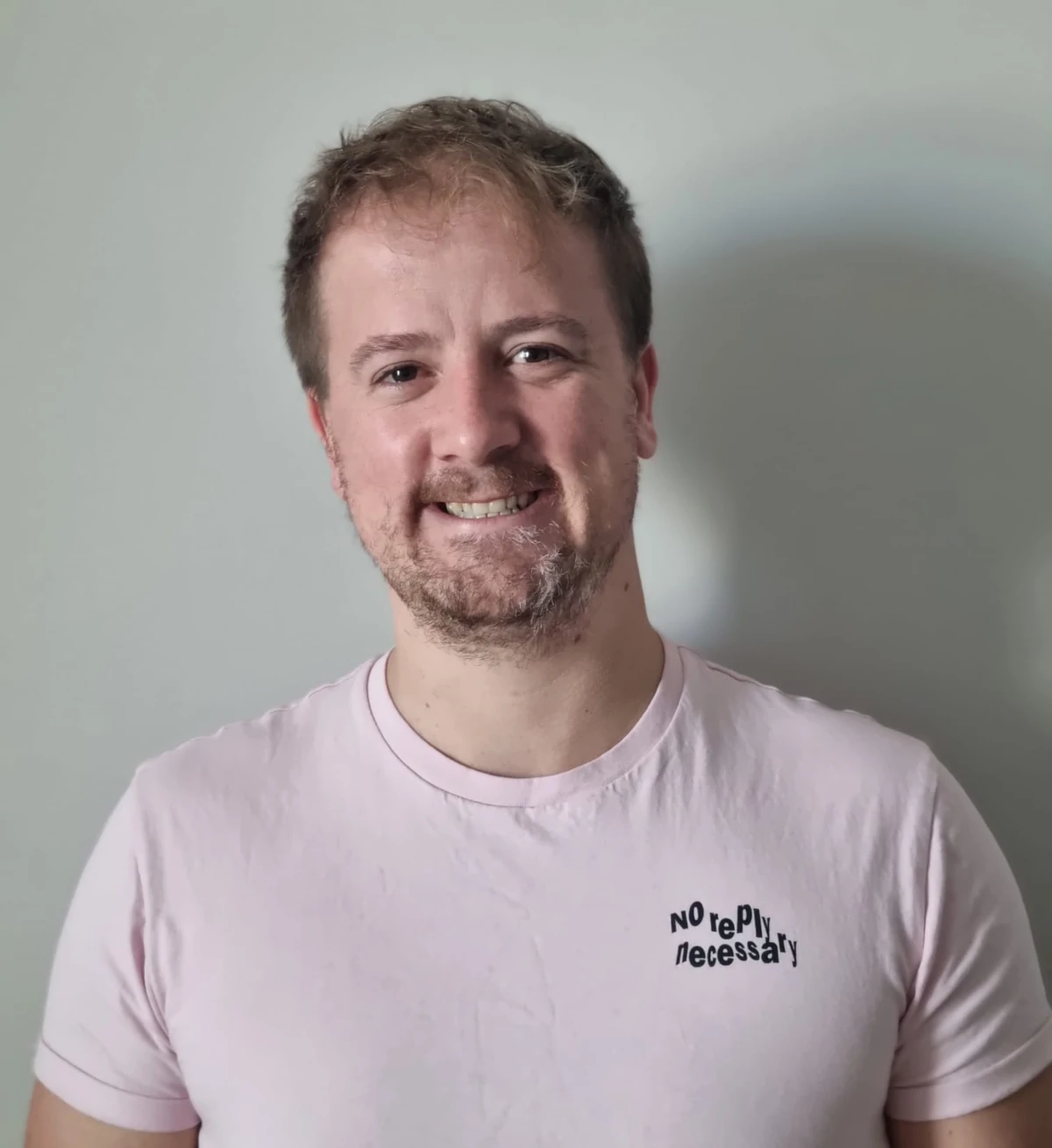
Caleb Davies, a Minneapolis-based IT professional, has said he has earned an estimated $1.2 million across several prediction market platforms, including about $414,000 from culture-related contracts on Kalshi. However, he has become increasingly concerned with what he claims is obvious suspicious behavior.
Juicing of the streaming numbers corrupting Kalshi trading strategies, Davies argues
In a comprehensive article, Davies outlined his suspicions, arguing that Spotify’s streaming charts have become vulnerable to manipulation because prediction markets create a financial incentive to artificially inflate songs’ play counts. He says traders can profit far more by influencing chart outcomes than by collecting streaming royalties, describing the exploit as a way to “100x your money in a day” without risking penalties from Spotify.
He contends that suspicious streaming activity can be identified through unusual data patterns, including abrupt spikes, country-specific surges and movements that defy normal day-of-week listening trends. While legitimate events such as awards or new releases create “smooth” increases across an artist’s catalog, he argues manipulated streams produce sudden anomalies that “warrant a closer look.”
Davies points to the outcome of a Kalshi market involving Malcolm Todd’s song “Earrings” as evidence that Spotify’s moderation systems can be exploited. He argues the track’s sudden rise was “as close to a mathematical impossibility as you can get,” claiming Spotify later removed the disputed streams only after the prediction market had already settled.
The problem, he says, stems from a mismatch between Spotify’s auditing process and the speed of prediction markets. While Spotify’s daily, monthly and annual reviews are sufficient for royalty payments, they are “too slow to prevent a Kalshi market from being paid out based on artificial streams,” allowing traders to profit before suspicious activity is reversed.
Spotify confirms action on case to WIRED
Those concerns were acted upon by Spotify, according to their spokesperson Laura Batey, who said the company has already taken steps to address the issue.
She added: “All streaming services face ever-changing stream manipulation. Spotify has best-in-class detection and mitigation practices for manipulated streams, and we don’t pay out associated royalties”. Kalshi also explained the company was in touch with Spotify. Spokesperson Elisabeth Diana said: “We’re in touch with Spotify and are actively investigating this matter.”
In addition, at Spotify’s request, Kalshi removed the music streaming company’s logo from prediction markets tied to its charts and revised market descriptions that had implied Spotify verified the chart data used to settle contracts.
Kalshi CEO explains why insider trading on prediction markets is harder to catch
Meanwhile, Kalshi CEO Tarek Mansour argued that insider trading presents a greater challenge in traditional financial markets than in prediction markets, saying event-based contracts make suspicious activity easier to identify. Speaking in an interview with lawyer Max Raskin published by The Washington Post, Mansour said prediction markets leave a much clearer trail of potential misconduct.
“The stock market is hard because you may have a piece of information… and then you buy the stock. It’s very broad,” Mansour said. By contrast, he said insider trading on prediction markets is “very direct” and “very noiseless,” because traders wager on specific events tied to privileged information.
Addressing allegations involving former George Santos, Mansour acknowledged that “there will be fraudsters in any system” but said Kalshi is focused on identifying suspicious activity “super fast.” Santos is under investigation by the U.S. Department of Justice and the Commodity Futures Trading Commission after Kalshi flagged unusual trading linked to his attendance at the State of the Union address.
Mansour said Kalshi has introduced safeguards aimed at deterring insider trading, including employment verification requirements for certain traders and whistleblower channels to report suspicious behavior. The exchange has argued these measures help preserve confidence in its event contract markets.
Despite those efforts, prediction markets continue to face political scrutiny. Several lawmakers have called for tighter restrictions or outright bans, including Tim Walz, who signed legislation in May prohibiting prediction markets in Minnesota.