

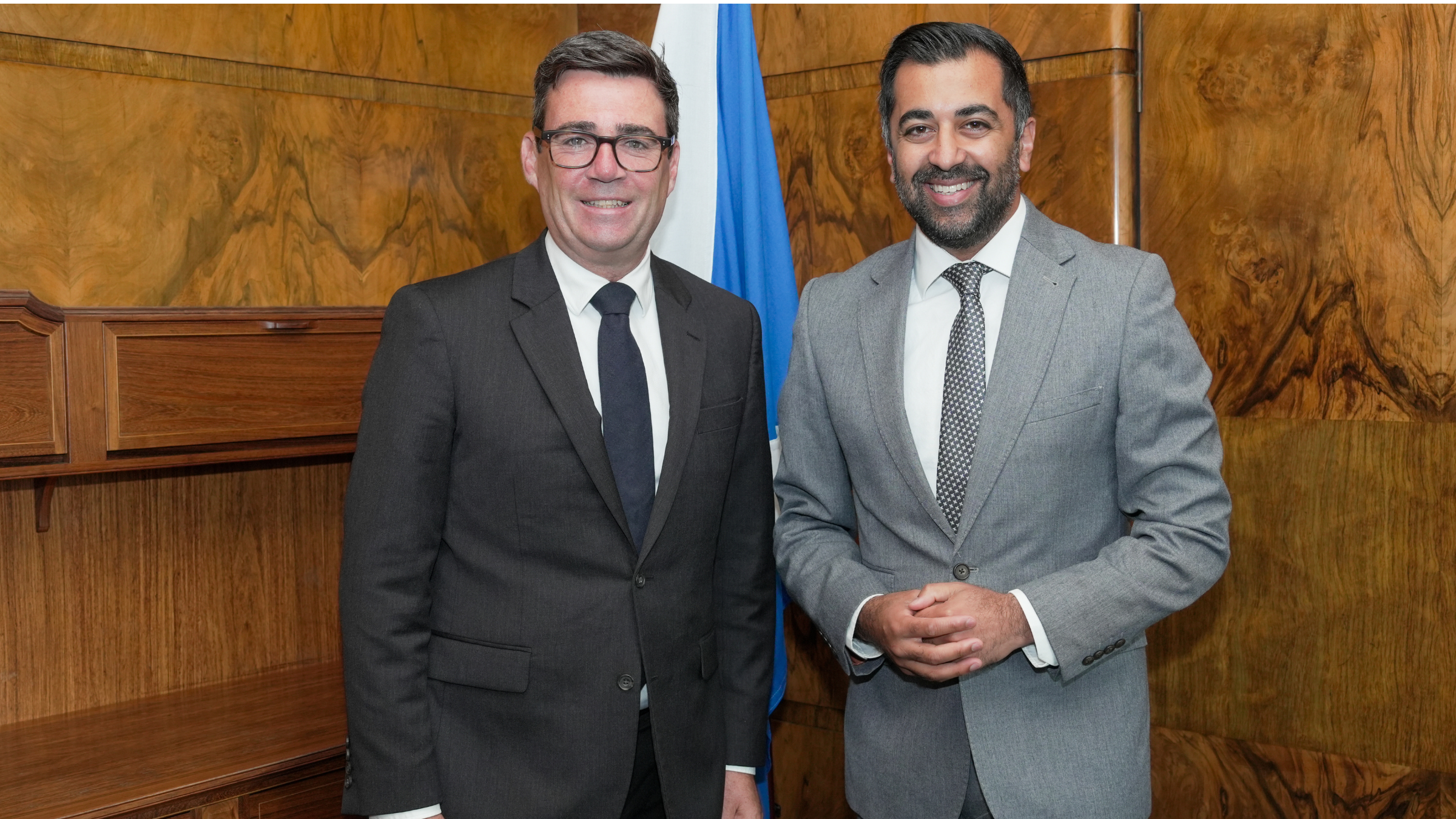
The prime minister in waiting in the United Kingdom, Andy Burnham, could increase taxes on slot machines and land-based casinos as he seeks to cover a shortfall in the budget, according to some reports.
Up to £460 million could be raised from the prospective proposals, which have been raised following a study by an influential thinktank that found any policy would receive enthusiastic backing from the public.
Polling shows 43% of public would support targeting AGCs
A majority of voters would back higher taxes on adult gaming centres (AGCs), according to polling published Monday by the Social Market Foundation (SMF), adding momentum to calls for tighter regulation of the land-based gambling sector. The survey found that 43% of respondents would support a future Labour government increasing taxes on the venues.
The findings come as AGCs continue to generate record revenues. Official figures published by the UK Gambling Commission (UKGC) last year showed the sector has enjoyed strong growth, fueled largely by high-stakes Category B3 gaming machines, which allow players to wager up to £2 every 2.5 seconds.
The SMF estimates that doubling Machine Games Duty from 20% to 40% on Category B machines could generate an additional £275 million to £458 million annually, on top of the roughly £600 million already collected. The proposal would apply to AGCs, casinos and betting shops operating the machines.
The tax increase would affect major AGC operators, including Admiral and Merkur, as well as casinos and bookmakers. Previous concerns that higher machine taxes could reduce betting shop profits, and in turn funding for British horse racing through the statutory levy, are widely viewed as one reason the government has so far avoided the measure.
Under the proposal, lower-stakes Category C and D fruit machines found in pubs and other hospitality venues would remain exempt. The SMF said excluding those machines would protect an important source of income for a hospitality industry that continues to face economic pressures.
Duty on physical slots could be targeted
While Chancellor Rachel Reeves increased taxes on the online gambling sector as part of her fiscal reforms introduced at the start of last year, duties on the fixed-odds slot machines found in adult gaming centres (AGCs) remained unchanged. The decision drew criticism from campaigners and local leaders, who argued that land-based venues offering high-stakes machines had escaped the tighter scrutiny imposed on online operators.
Often referred to within the industry as “slot sheds,” AGCs have expanded rapidly across towns and cities in recent years, with research and local authorities warning that they are concentrated in some of the UK’s most economically deprived communities. Critics say the venues disproportionately target vulnerable consumers and contribute to wider concerns about gambling-related harm.
Among the most vocal opponents has been former Greater Manchester Mayor Burnham, who has repeatedly called for stricter controls on the sector. Burnham has accused some operators of exploiting vulnerable people and urged the government to strengthen planning rules and licensing powers to curb the continued growth of AGCs on high streets.
Burnham has also argued that gambling reform should apply consistently across both online and land-based sectors. His comments have renewed attention on whether tax and regulatory policies should be extended to physical slot machine venues as ministers continue reviewing the UK’s gambling framework. He is widely expected to dispense of Reeves as chancellor, once he becomes prime minister.
SMF report criticised by trade body
Bacta, the trade association representing adult gaming centres and amusement arcades, dismissed the proposals as “fantasy economics and grossly irresponsible,” warning that a steep increase in Machine Games Duty would damage the industry’s economic contribution and fail to deliver the projected increase in tax revenue.
The group said doubling the tax rate to 40% would force closures across the sector, threaten thousands of jobs and place additional pressure on high streets and seaside towns that rely on arcades and gaming centres.
“A 40% rate would devastate high streets and seaside towns, close responsible family-run businesses and risk pushing customers away from safe, regulated environments towards the illegal market,” Bacta said in a statement.
Last week, Bacta revealed the organization is planning for a range of scenarios should Burnham take charge in Number 10. Director of Communications, Allaster Gair, said: “From Bacta’s perspective, the important thing is not the individual but the policy environment that emerges.
“Alongside our Public Affairs advisers we are scenario-planning and ensuring that we maintain strong relationships with those most likely to occupy key ministerial positions. However, until the dust has settled members should be prepared for delays to policy announcements, including the Category D review and the Bingo Licensing Consultation.”