
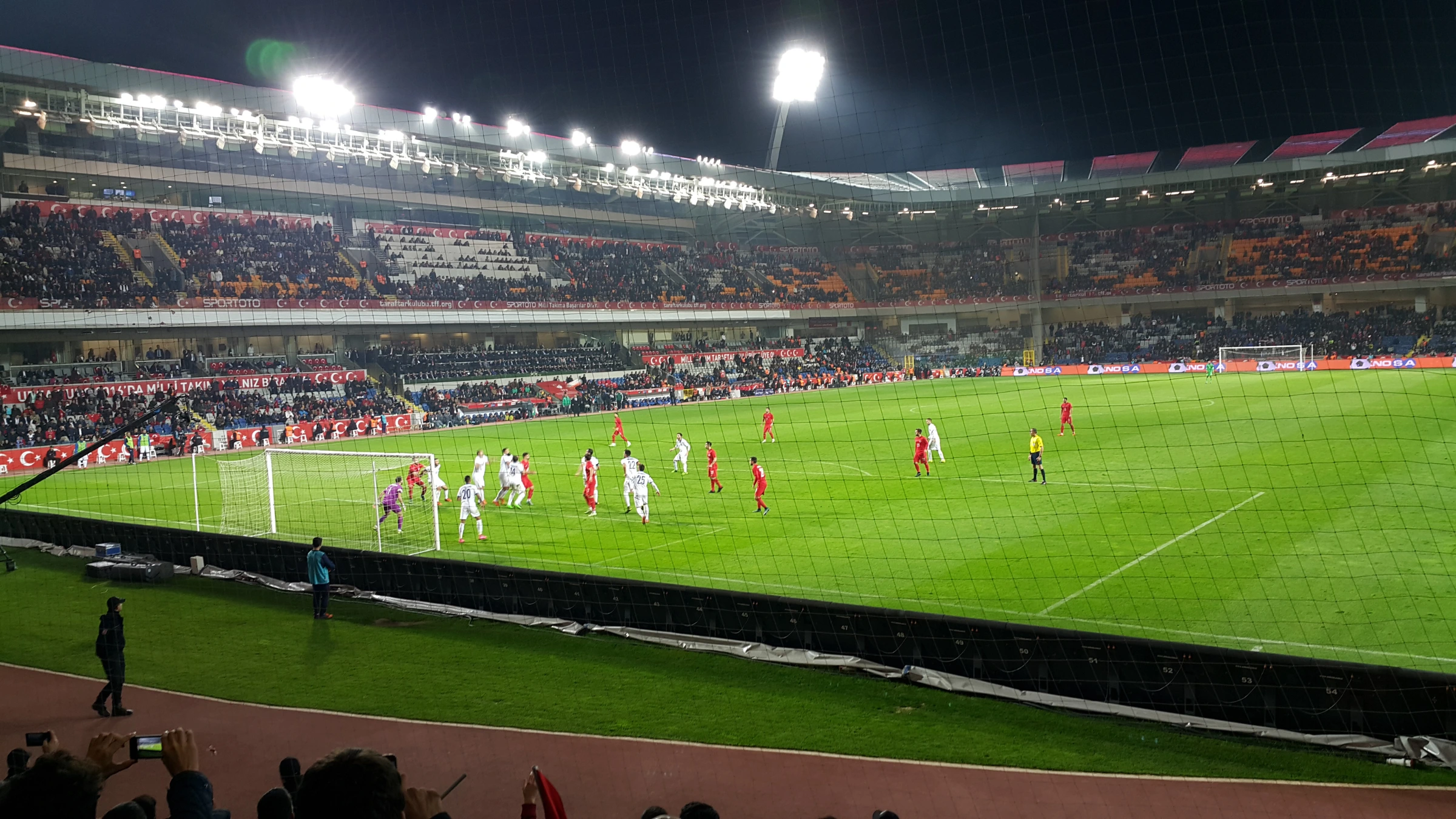
Authorities in Turkiye arrested 86 suspects on Friday in investigations into match-fixing, illegal betting, and crypto laundering, reports suggest.
The İstanbul Police Department’s Financial Crimes Unit, under the direction of the Anadolu Chief Public Prosecutor’s Office, headed the operation, which they say has exposed an underground network that facilitated the processing of more than $4.4 billion in illicit funds.
Case the latest crackdown on illegal gambling in Turkiye
Prosecutors said proceeds from the alleged scheme were transferred through cryptocurrency wallets and routed to additional accounts with unidentified owners to conceal the movement of funds. Investigators also found links to suspects operating in the foreign exchange and jewelry sectors.
Authorities seized 83 assets, including real estate and other property, worth an estimated 350 million Turkish lira ($7.7 million). Bank accounts and cryptocurrency holdings connected to the suspects were frozen as part of the investigation.
Officials have not disclosed which leagues, matches or clubs are implicated in the match-fixing allegations. Justice Minister Akin Gurlek said a separate probe identified an electronic payments company allegedly used to facilitate illegal betting and launder criminal proceeds. Authorities launched legal action against 26 suspects after determining the company processed 2.1 billion lira in transactions in 2024.
The operation is part of a broader crackdown on illegal betting and alleged match manipulation in Turkish football. In May 2025, authorities detained executives of payments firm Papara in a money laundering investigation tied to illegal betting and appointed state trustees to oversee the company and affiliated businesses.
The crackdown expanded in October 2025 with investigations targeting referees, club officials, commentators and players. Turkish authorities said security forces had carried out 1,120 operations against illegal online betting and gambling by that time, seizing 15.85 billion lira in cash and assets. Vice President Cevdet Yilmaz has estimated the illegal betting market at between $20 billion and $60 billion.
Azerbaijani club kicked out of UEFA Nations League
Meanwhile, UEFA has barred Azerbaijani club PFK Turan Tovuz from participating in next season’s Conference League, ruling that the club failed to meet admission criteria related to involvement in activities aimed at influencing match results.
The decision was announced Wednesday by the chair of UEFA’s Appeals Body. Turan Tovuz had secured a Conference League qualifying spot after finishing third in Azerbaijan’s top division this season.
The club said UEFA’s ruling stems from a 2019 disciplinary case in which the Azerbaijan Football Federations Association (AFFA) banned seven Turan Tovuz players from football-related activities over match-fixing allegations while the team competed in the second tier.
In a statement, Turan Tovuz said it earned its place in European competition “following all sporting principles” and argued that UEFA’s investigation focused on whether the club met eligibility requirements. The club maintained that the sanctions were imposed on individual players, not the organization itself.
Turan Tovuz said it will appeal the decision to the Court of Arbitration for Sport and pursue all available legal options to regain its place in the competition. The club added that preparations for the new season, including a planned training camp in Turkey, will continue as scheduled.
Greece praised for black market approach
Greece is moving to strengthen its fight against illegal gambling by granting sweeping new powers to the Hellenic Gaming Commission (EEEP), as part of a government effort to protect consumers and curb black-market activity estimated to cost the economy up to €2 billion annually.
The proposed legislation would expand the regulator’s workforce and add specialists in cybersecurity, intelligence and enforcement. Officials say the measures are needed because illegal gambling has become a sophisticated cross-border industry that exploits digital platforms and payment networks.
Under the reforms, the EEEP would gain authority to order the removal of illegal gambling websites, block online content and work more closely with law enforcement. Gaming inspectors would receive investigative powers, while authorities could immediately close businesses found facilitating illegal gambling.
The bill also targets the broader ecosystem supporting unlicensed operators. Internet providers, advertisers, affiliates, influencers and streamers could face substantial fines for promoting illegal gambling services, while licensed operators risk suspension or revocation for serious violations.
The proposals would introduce some of Europe’s toughest penalties for illegal gambling, including prison sentences of at least 10 years for organizers and fines of up to €800,000 in aggravated cases. The crackdown follows government data showing nearly 800,000 Greeks engaged with unlicensed gambling in 2024, highlighting the scale of the black market challenge.