
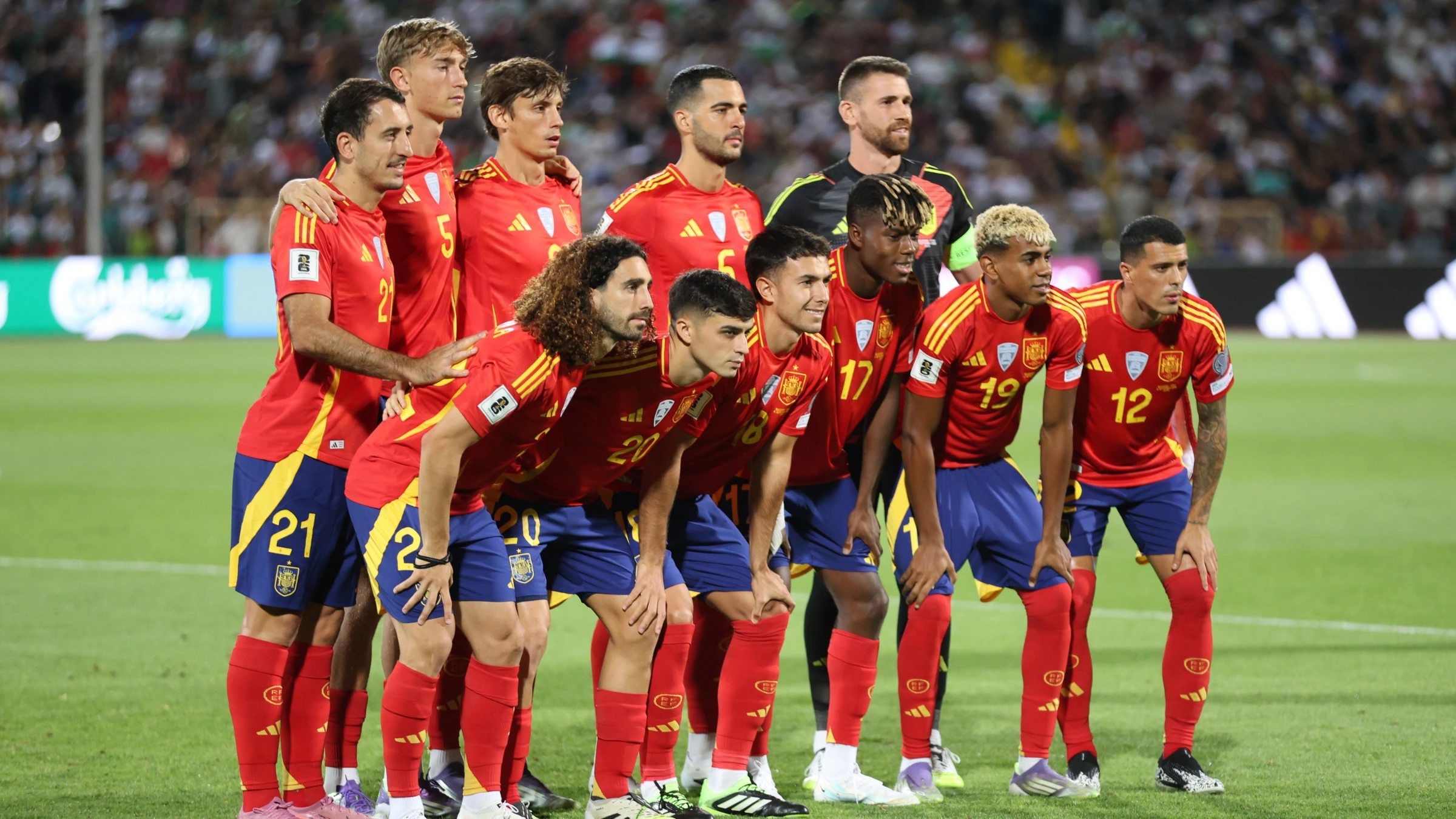
The third-smallest nation to ever play in the World Cup, Cabo Verde, earned a stunning point in a 0-0 draw with European champions Spain at a rambunctious Atlanta Stadium on Monday afternoon.
The Iberian nation, tipped by many as favorites for the entire competition, could not find a way past 40 year-old stopper Vozinha who was named man of the match after a stunning display between the sticks.
Result one of the biggest shocks in World Cup history
Despite taking 27 shots on goal, Spain were either thwarted by heroic defensive blocks or an inspired Vozinha. It is the first time Spain have registered that many shots in a World Cup game without scoring since 1988 in a 0-0 draw with Paraguay.
Cabo Verde could have won it late on with a free header at a corner for centre-back Diney Borges, who could only direct it at Spain’s keeper Unai Simón in goal.
For Spain manager Luis de la Fuente and his charges, what looked a routine passage through to the next round has now gotten more complex, with games against Saudi Arabia and Uruguay to come. The former have previously beaten current champions Argentina at the last World Cup in Qatar while Uruguay earned a creditable draw away to England in a friendly back in March.
For Cabo Verde, they know a win against either of their remaining opponents will seal a place in the next round, a feat few would have thought possible at the start of the tournament.
Bettors match more than £13m om Spain with Betfair Exchange
The result was a massive boon for sportsbooks, which do well when the shorter-priced heavy favorites lose or draw. British-based bookmaker Betfair, which operates the world’s largest peer-to-peer sports betting platform, posted on social media that more than £13 million had been matched on Spain to win pre-match and in-play.
While Cabo Verde’s heroics ranks among the biggest World Cup surprises, there are some other famous results that continue to live long in the memory.
One of the most celebrated World Cup shocks came in 1990 when Cameroon defeated defending champion Argentina 1-0 in the opening match. The Africans stunned Diego Maradona’s side and went on to become the first African nation to reach the quarterfinals.
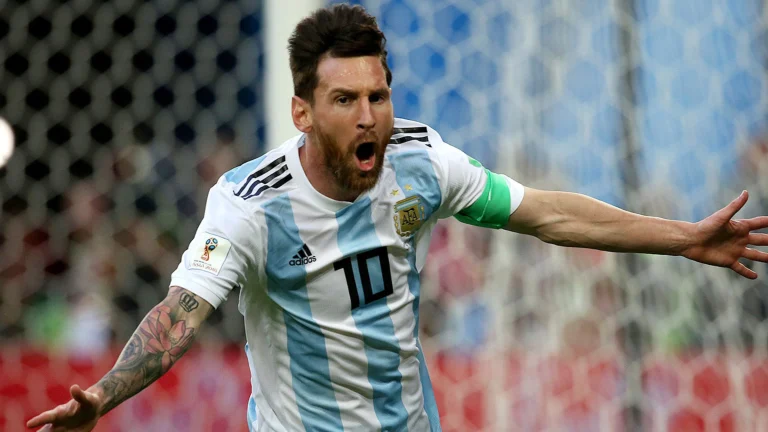
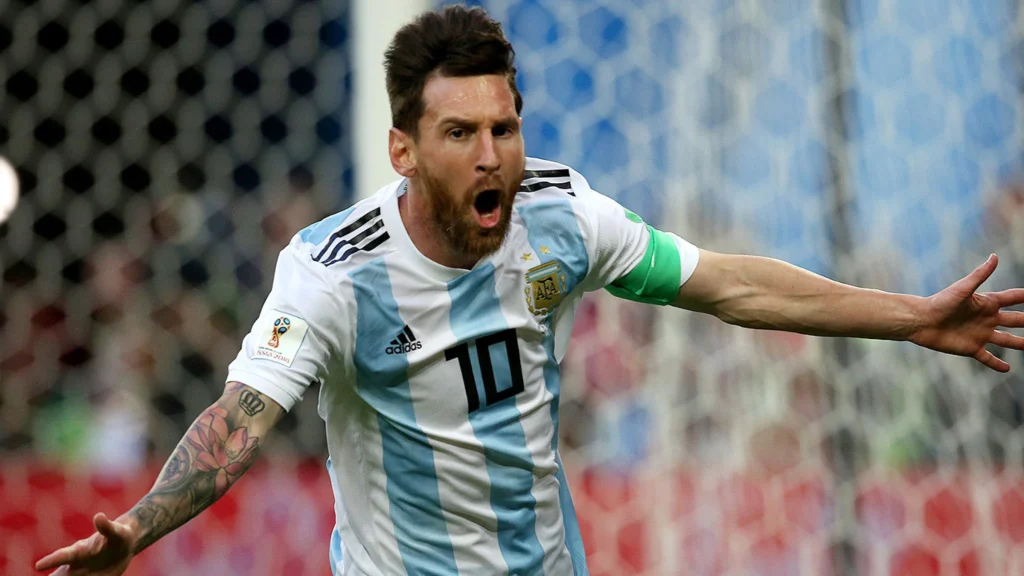
Senegal produced a similar upset in 2002, beating reigning champion France 1-0 in its World Cup debut. More recently, the aforementioned Saudi Arabia shocked Lionel Messi’s Argentina 2-1 in 2022, ending a 36-match unbeaten run. Cabo Verde’s draw with Spain may not match those victories, but it will be remembered as one of the tournament’s early surprises.
Is this the tournament of the minnows?
The expansion of the 2026 World Cup from 32 to 48 teams drew criticism long before the tournament began, with opponents arguing that a larger field would dilute the quality of matches. Critics feared that adding 16 extra nations would create more one-sided games and reduce the intensity that traditionally defined the group stage.
Others questioned the new format itself. With 12 groups and the eight best third-placed teams also advancing, many believed the early rounds carried less jeopardy because more teams could progress despite mediocre results. Former U.S. international Clint Dempsey is just one of a number of notable names that have said the expanded tournament risked reducing excitement, while analysts warned it could eliminate the traditional “group of death” drama.
However, those criticisms appear to be melting away, with some encouraging results for the likes of Cabo Verde and a special moment for fans of the Curacao national team, who wildly celebrated when their team equalised against Germany. Haiti, a team many thought would struggle, were outstanding in a 1-0 defeat to Scotland and should have gotten something from that game.
FIFA President Gianni Infantino remains under fire
Despite the positive results for minnow nations, Infantino remains a polarising figure in the sport. Many argue the larger format was driven more by commercial interests than sporting merit, pointing to the increase from 64 to 104 matches and concerns that a longer tournament would place greater demands on players and supporters.
The organization has also faced scrutiny over ticket prices and accessibility. Supporters’ groups, politicians and fans have complained that the cost of attending matches has become prohibitive, while images of empty seats at some group-stage games fueled criticism ofFIFA’s pricing strategy. Infantino has defended the approach, arguing demand remains exceptionally high and revenues help fund football development around the world.
Other complaints have focused on the fan experience and tournament logistics. Travel disruptions between venues, visa issues affecting some participants and FIFA’s decision to introduce mandatory hydration breaks in every match have all attracted the ire of football fans. Some players, coaches and supporters have argued the breaks disrupt the flow of games and reflect the growing commercialization of the tournament, while others have questioned FIFA’s handling of wider operational challenges.